It happens to us all, you say something to Siri and all of a sudden her volume is entirely too loud in a quiet room, or barely audible in a busy street. The small iPhone or iPad hack that very well might have a large impact is adjusting the volume of Siri. It is a lesson that I got in the middle of a library when Siri gave the weather report as though she was doing it on a game show. That will not be happening to you, right?
Why Adjusting Siri Volume Is Important?
Siri is supposed to provide convenience, however, when the volume is inappropriate based on the setting this will cause embarrassment and annoyance. In a buzzing cafe, you require her voice in such a way that you can get directions. At night, being home you would like her to shush because she does not wake the people. Learning how to regulate the volume of the Siri will ensure that your chats with her are orchestrated without hitches regardless of your location.
How to Quickly Adjust Siri Volume?
The simplest of all options is to merely say something to Siri and begin pressing the volume keys when she is speaking. This does not alter anything in your music, or your ringtone, just her voice feedback volume. You can change it when she is talking and it would simply change your default audio settings but the trick here is timing.
Adjusting the Volume of Siri via Settings
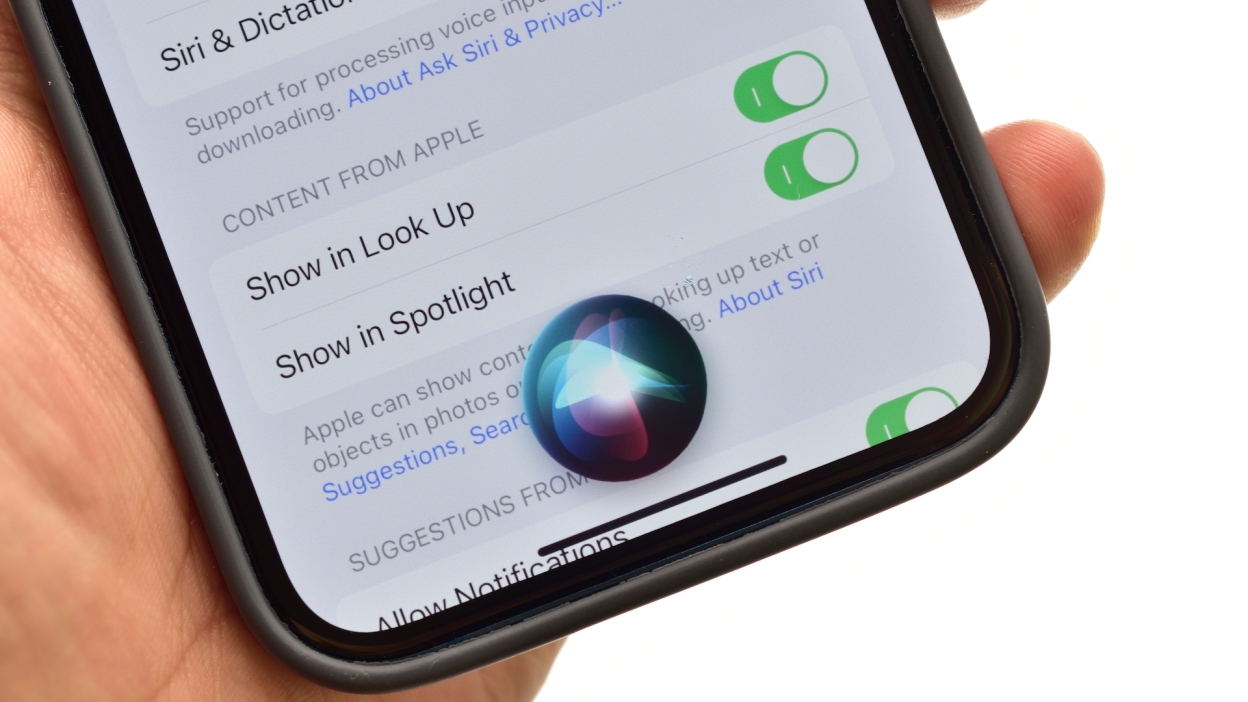
To have more control, visit Siri & Search settings > Siri Voice. It is possible to change the volume there, accents, and voice of Siri. I myself maintain mine on a comfortable medium so that it is not a shock when she responds. It is a set and forget preference that cuts across the majority of applications.
Concepts of Siri Volume vs Media Volume
Most individuals are unaware of the fact that the voice feedback of Siri is independent of the media volume. You may be playing your music on really low volume but Siri would respond at a higher volume. This can be fixed quickly just load up when she speaks volume down and your Siri and media have different volumes.
Changing Siri volume on either airPods or bluetooth devices
A Bluetooth speaker under AirPods connection or a CarPlay connection has its own volume settings: voice output by Siri follows that choice. I contemplated that Siri had gone silent at one point but it was just my car’s Bluetooth was too low. If you happen to find Siri too quiet or too loud, always look at the sound volume of the connected device.
Volume with Hey Siri hands-free
Provided you are cooking, driving, and have full hands you can just say out Yes Siri Lowie and yes Siri Lowie softer. She will make changes to her personal voice feedback immediately without your phone being touched. I practice a lot of this when I bike with AirPods in- no fiddling with command buttons.
Keeping Siri Quiet at Night
No one enjoys Siri waking them up with a shocking loud voice at 2 in the morning. To prevent that, go to Accessibility and turn on headphones only options when responding to Siri. This will keep it calm because she will tend to talk only when you are using the headphones.
Ideal Volunteer in the Streets
When in the street people may not want everybody to hear their messages or reminders. Adjust the volume of Siri a bit above the medium to be able to hear her but not to announce what you are talking about. Or go one step further and activate Type to Siri and make her respond to you using a voice typed in your screen.
Siri of Apple Watch
In case you take advantage of Siri on an Apple Watch, her voice level is modified in Watch app > Siri > Voice Volume. I leave my lower case as I use the watch most of the time in front of people and a loud siri off the wrist is a wee bit dramatic.
Through the iPad, Siri Volume Kids
To keep Siri to the low volume, it is intelligent to remember the situation when children use your iPad and she/he may be loud enough to scream the answers in the classroom or during play. The process is identical to asking Siri a question and adjusting the volume when she speaks.
Focus Mode and Siri adopt the following
When you actually want Siri to be silent, employ Focus Mode or Do Not Disturb. She will continue working yet, her replies would be less extravagant or tone down. It is ideal during meetings, bedtime or studies.
When Siri’s Volume Won’t Change
When you change series volume and it does not hold it is often because you did change it when she was not talking or there is another device that is overriding it. Command Siri to speak, pause and adapt. Should troubles persist, restart your gadget or check iOS updates.
How to Fix Bluetooth volume problems?
In case you are connected to Bluetooth speakers or Bluetooth headphones, media volume and Siri volume could get out of sync. The only solution is to restart the device and the level of Siri should be adjusted when she speaks.
Conclusion
The ability to change the volume of Siri might be a minor feature but once you are able to adjust the volume of Siri, it will add a better quality of life in your everyday life. When trying to use Siri it is either to shut her up in a library or to make her audible in a crowded street which is up to you. After learning these ways it can make sure that you never have to suffer the awkward loud or frustratingly quiet Siri ever again.
FAQs
Yes, Change the voice of Siri during her speech and your music and video sound will not be changed.
Since Siri utilizes the settings of your connected device regarding its volume. Adjust the volume of AirPods up or down when she is talking.
Yes, Activate Type to Siri in Accessibility, or make it Siri’s Response to Headphones Only and she will speak only when you wear headphones.
Featured Image:
Read Also: VR Headset for iPhone: Top Guide to Setup and Experience